

Subtotal $0.00
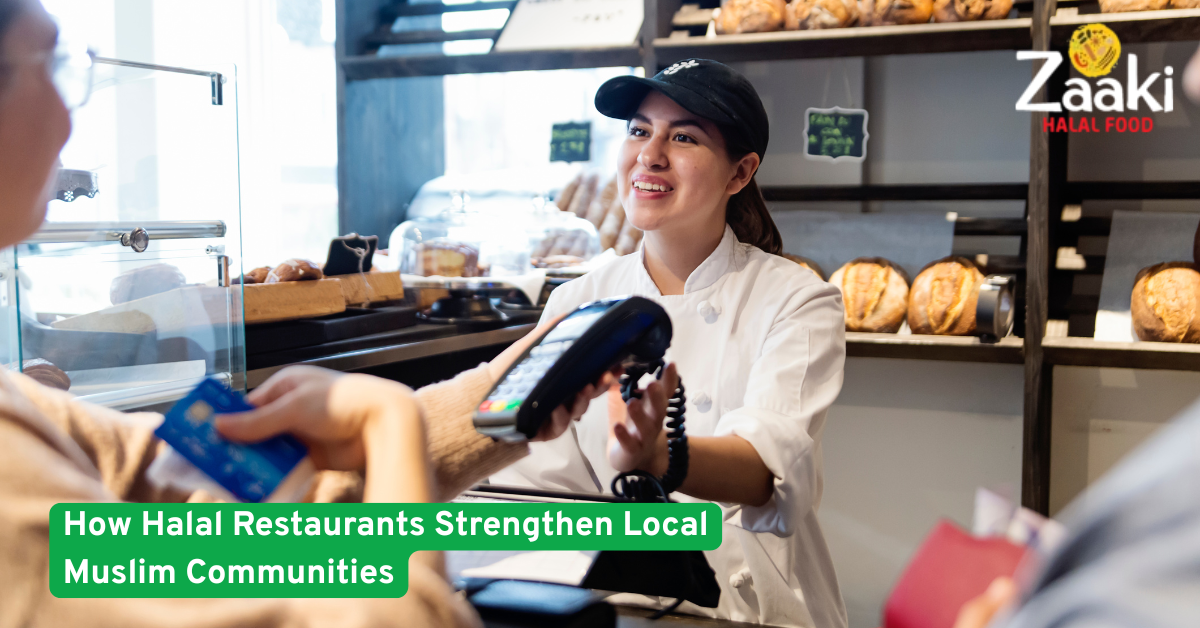
Halal restaurants do more than just serve food—they serve as a crucial part of building community and cultural connection, particularly for Muslim families in the United States. As halal dining options grow in popularity, they have become essential gathering places, fostering both religious and social bonds. In fact, research shows that nearly 1.8 million Muslims live in the United States, many of whom seek halal food as an important part of their religious and cultural identity. But beyond providing food, halal restaurants play a significant role in strengthening local Muslim communities. Here’s how.
How Halal Restaurants Foster Community Engagement
For Muslims, halal food is not just a dietary preference—it’s an important part of daily life that aligns with religious teachings. Halal restaurants allow Muslim individuals and families to dine out while remaining true to their beliefs. These restaurants have become vital gathering spots for local communities, where people can connect with each other, share experiences, and build strong social ties.
1. Cultural and Religious Connection
Halal restaurants provide a space where Muslims can enjoy food that adheres to their religious guidelines, which dictate what can and cannot be consumed. This is not just about food—it’s about honoring cultural and religious values. For many Muslims, eating halal is an expression of their faith, and having accessible halal restaurants ensures they can continue this practice even while out in public.
Why It Matters:
- Accessibility: Halal restaurants make it easier for Muslims to maintain their dietary restrictions while enjoying diverse and flavorful cuisines.
- Cultural Pride: These establishments offer a place for the community to celebrate their identity and traditions through food.
2. Supporting Local Businesses
Halal restaurants contribute to the local economy by creating jobs, attracting tourists, and generating income. Many halal restaurants are family-owned businesses that give back to the community by hiring local workers, supporting local suppliers, and contributing to the neighborhood’s growth.
Supporting Local Communities:
- Job Creation: Halal restaurants offer employment opportunities to individuals from the local Muslim community, helping them build careers and strengthen the local economy.
- Local Support: By sourcing ingredients from local vendors and supporting small-scale producers, halal restaurants help stimulate the local economy.
3. Community Events and Social Gatherings
Halal restaurants often host events such as charity drives, social gatherings, and religious celebrations like Ramadan iftar dinners. These events bring people together in ways that go beyond just enjoying a meal. They promote a sense of belonging and unity among community members, whether through shared meals during Ramadan or regular meetups that allow people to socialize and form bonds.
Community Connection Through Events:
- Ramadan Gatherings: Iftar dinners during Ramadan are a common way for Muslim families and individuals to break their fast together, often organized at halal restaurants.
- Cultural Celebrations: Halal restaurants become community hubs during Eid and other important festivals, allowing people to come together and celebrate.
4. Providing a Safe Space
For many, halal restaurants provide a safe and welcoming environment where they can comfortably enjoy their meals without fear of judgment or discrimination. These restaurants are often seen as “safe spaces” where Muslims can feel included, respected, and free to be themselves, especially in diverse or non-Muslim majority areas.
Benefits of a Safe Space:
- Cultural Respect: Halal restaurants provide a space where cultural and dietary practices are respected.
- Acceptance: These establishments offer a sense of belonging for those who may feel isolated in non-Muslim majority areas.
5. Bridging Cultural Gaps
Halal restaurants play an essential role in educating non-Muslims about Islamic traditions and dietary laws. These restaurants often serve as cultural ambassadors, helping to foster understanding and break down barriers between different communities. By offering halal food to a broader audience, these restaurants create opportunities for dialogue and understanding.
How They Promote Intercultural Understanding:
- Cultural Exchange: Halal restaurants introduce non-Muslim customers to halal food, offering them a chance to experience new flavors and learn about Islamic dietary practices.
- Diversity in Dining: Offering halal options to a variety of customers helps diversify the food culture and promotes mutual respect.
Why Choose Zaaki Halal Food?
We understand the importance of halal dining in bringing the community together. Our mission is to provide delicious, high-quality halal food that not only satisfies your taste buds but also strengthens your connection with the community. We take pride in offering a welcoming, inclusive environment where people from all walks of life can gather to enjoy authentic halal cuisine. Whether you’re celebrating a special occasion or just enjoying a meal with family and friends, Zaaki Halal Food is committed to creating memorable experiences for our customers.
Frequently Asked Questions (FAQs)
- What makes food halal?
Halal food is prepared according to Islamic dietary laws, which include avoiding certain ingredients like pork and alcohol, and ensuring meat is slaughtered in accordance with religious guidelines.
- Are halal restaurants only for Muslims?
No, halal restaurants are open to everyone, offering delicious food options that cater to various dietary preferences.
- Do halal restaurants offer vegetarian options?
Yes, many halal restaurants, including ours, offer a variety of vegetarian and vegan dishes to cater to different dietary needs.
- Can I find halal food in non-Muslim majority areas?
Yes, halal food is becoming increasingly available across the United States, even in non-Muslim majority areas, thanks to the rise of halal restaurants.
- Is it important to support local halal restaurants?
Absolutely! Supporting local halal restaurants helps strengthen the Muslim community, creates jobs, and supports the local economy.
- Do halal restaurants serve alcohol?
No, halal restaurants do not serve alcohol, as it is prohibited in Islamic dietary laws.
- How can I celebrate Ramadan at a halal restaurant?
Many halal restaurants host special iftar dinners during Ramadan. You can also order takeout or delivery for family gatherings and community celebrations.
Ready to Experience the Best in Halal Dining?
We are more than just a restaurant—we are a place where culture, community, and flavor come together. Visit us today and experience the warmth and hospitality of halal dining. Whether you’re coming in for a casual meal or celebrating a special occasion, we promise an unforgettable experience. Come, join the community, and let us serve you!


Comments are closed